Filter products
Gold & diamond
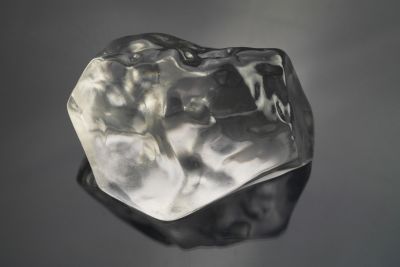
Cast of the largest diamond ever found, which no longer exists as it was later split.Size: approx. 10.1 x 6.35 x 5.9cmweight of the original: 3106,5 caratThe original was discovered in 1905 at the Premier Mine in Cullinan, South Africa.It was named after the mine owner at the time, Sir Thomas Cullinan, and given as a gift to the British King Edward VII. Unfortunately, the rough diamond did not remain in one piece, but was split in Antwerp, where it was cut into nine large diamonds and 96 smaller ones. We also offer the Cullinan Diamond I as a cast, see article number C74.The casts are made in our factory and hand colored.Therefore, the photo may differ slightly from the delivered piece.
Prices incl. VAT plus shipping costs
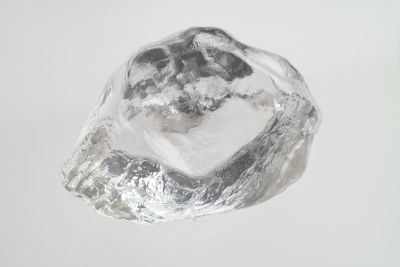
The largest diamond in the rough ever found did not remain in one piece, it was split in Antwerp and cut into nine large diamonds and 96 smaller ones.This is a cast of the largest stone, after the split.Size: approx. 53 × 44 × 29mmThe weight of the original was 530.2 carats and it was known as "The Great Star of Africa".The original diamond was discovered in 1905 at the Premier Mine in Cullinan, South Africa. It was named after the mine owner at that time, Sir Thomas Cullinan, and was then gifted to the British King Edward VII.The casts are made at our company and hand colored.Therefore, the photo may differ slightly from the delivered piece.
Prices incl. VAT plus shipping costs
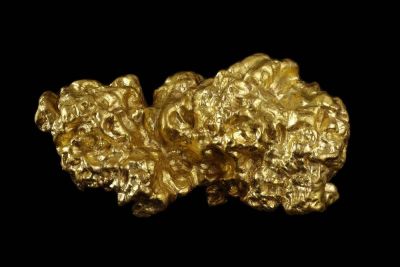
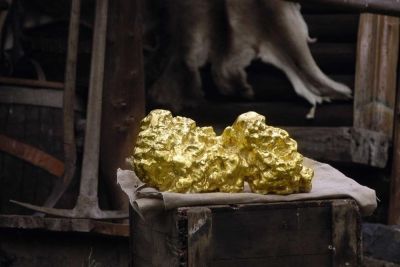
At a time when gold production in Ballarat was noticeably declining, the discovery of this nugget by Cornish miners gave people hope for a better life.The nugget went on display and thousands of visitors paid a shilling or more to see it. The Wittkowski brothers arranged its sale for 10,050 pounds sterling and exhibited it in Melbourne, Sydney and then in the Crystal Palace in London until November 1859. During this time, Adam August Krantz succeeded in acquiring the casting rights, which is why you can still marvel at the original form today. At the end of 1859 or slightly later, the "Wonder of the World" was bought by the Royal Mint in London, melted down and made into gold sovereigns.Found: June 9, 1858 in the Red Hill Mine in Ballarat, Victoria, AustraliaDepth: approx. 190 ft (57.91 m)Weight: 2217 troy ounces (62.85 kg)Purity: 99.6% pure goldValue in 1858: 10,000 English poundsToday's value: over 1,000,000 US dollarsWeight of replica: ~ 15 kgWe produce the casts in-house and color them by hand. Therefore, photos may differ slightly in color from the delivered piece.
Prices incl. VAT plus shipping costs
At a time when gold production in Ballarat was noticeably declining, the discovery of this nugget by Cornish miners gave people hope for a better life.The nugget was put on display and thousands of visitors paid a shilling or more to see it. For 10,050 pounds sterling it was bought by the Wittkowski brothers and exhibited in Melbourne, Sydney and then the Crystal Palace in London until November 1859. During this time, Adam August Krantz succeeded in acquiring the casting rights, which is why the original form can still be admired today.At the end of 1859 or a little later, the "Wonder of the World" was bought by the Royal Mint in London, melted down and made into gold sovereigns.Found: June 9, 1858 in the Red Hill Mine in Ballarat, Victoria, AustraliaDepth: approx. 190 feet (57.91 m)Weight: 2217 troy ounces (62.85 kg)Purity: 99.6% pure goldValue in 1858: 10,000 pounds sterlingToday's value: over 1,000,000 US dollarsWeight of the replica: ~ 15 kgWe produce the casts and replicas ourselves and color them by hand. Therefore, the photos may differ slightly in color from the delivered piece.
Prices incl. VAT plus shipping costs